National charity
A charity supporter evening measured its footprint and published how
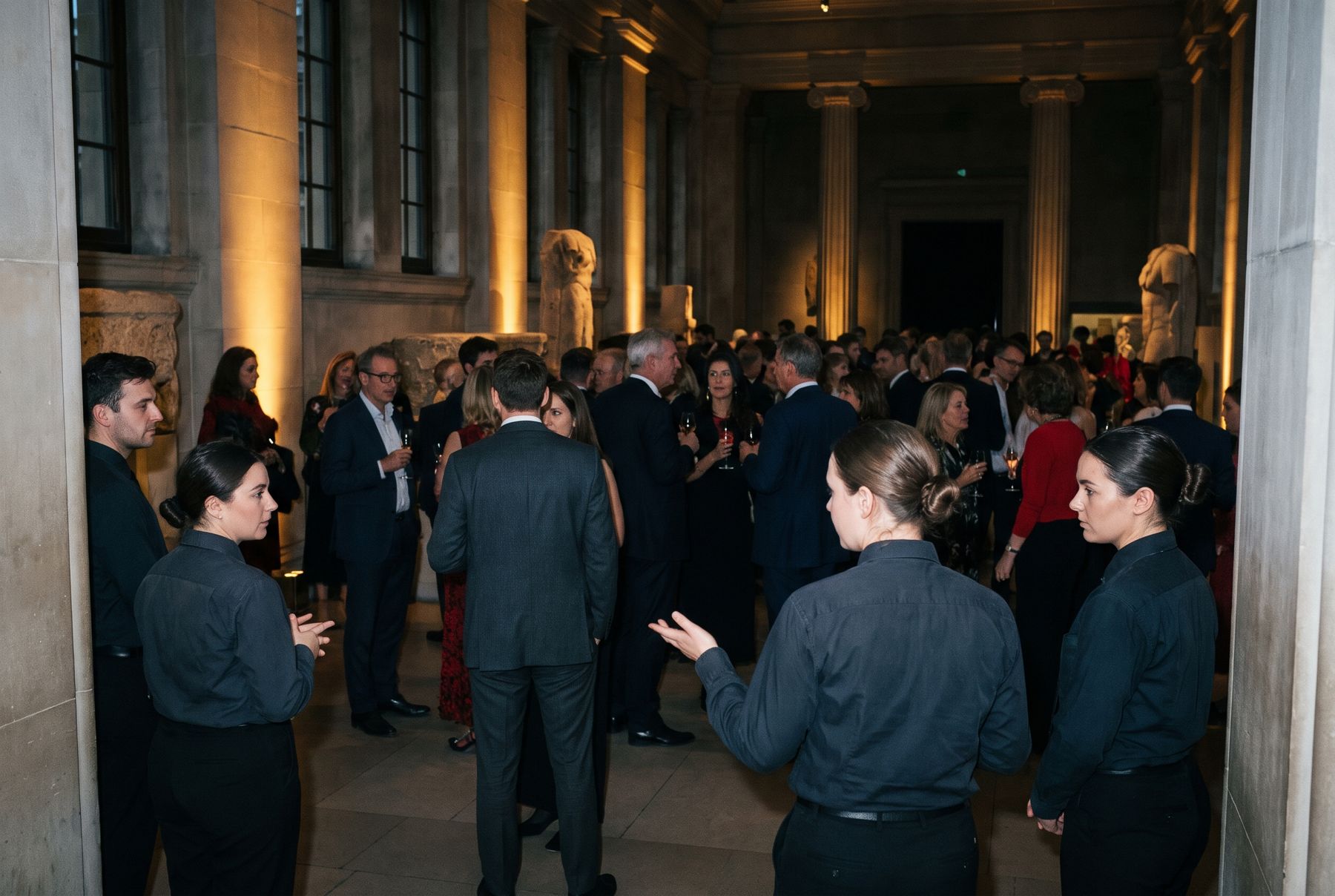
Illustrative case study. Tallis Row is a fictional firm.
- Client
- National charity
- Sector
- Charities
- Event
- Supporter event
- Group size
- 300 to 800
The brief
A national charity holds an annual evening event in London for about 400 supporters. After the charity made a public climate commitment, its trustees asked for the event's footprint to be measured and reduced. The previous year had only a rough estimate, with no record of how it was worked out.
The constraints
The venue was already booked. Guests travel from across the UK, and many are older supporters for whom long journeys are hard. The trustees did not want the evening to feel diminished for the people it thanks. The venue could give us only limited energy data.
What we did
We built a baseline from the previous year: guest travel estimated from aggregated postcode areas, catering from the menu and numbers, and venue energy from floor area and hours. As expected, travel and catering made up most of it.
- The menu became mainly plant-based, with a meat dish available on request at registration.
- Invitations gave clear rail routes and timings, and the charity offered help with group rail bookings.
- We asked the venue for metered energy figures for the evening, which it provided.
- Registration asked guests how they would travel, so we could measure instead of estimate.
- Printed programmes were replaced by a single printed card and a page on the charity’s website.
Afterwards we wrote a footprint summary and a one-page method note, which the charity published.
Outcome
What happened
The footprint per guest came in somewhere between a fifth and a third lower than the previous year's estimate. The range is wide because the earlier figure was itself rough, and we said so.
The published note states the limits: some travel data was self-reported and some was estimated, and the comparison year was estimated. The event was not certified and the charity made no offsetting claims.
What we would change
We would have agreed the travel question with the charity before invitations went out. It was added to registration late, about a third of guests never answered it, and we had to estimate their travel, which widened the range. On the menu, a few supporters told staff they missed the old main course, so next year the meat option will be named on the invitation, not only offered at registration.